When you’re dealing with big purchases, not every payment method will do. Credit cards may not be accepted, personal checks can bounce, and carrying a wad of cash doesn’t feel secure. That’s where cashier’s checks and certified checks come in. These forms of payment offer more reliability and are often used when trust, timing, and large amounts are involved. Still, many people don’t know how they differ, and the terms are often confused. If you’ve ever needed one and weren’t sure which to ask for, you’re not alone. Understanding how they work can help avoid delays and misunderstandings.
What Is a Cashier’s Check?
A cashier's check is issued by a bank and backed by the bank's funds. When you request one, the bank takes the money from your account and holds it separately. It then writes a check from its account and signs it. Since the bank itself is guaranteeing the money, the check is considered reliable and safe.
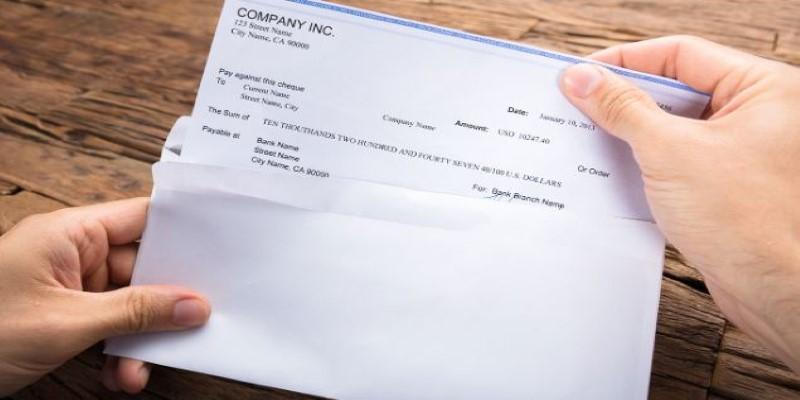
Because the funds are already secured, a cashier’s check is usually cleared faster than a personal check. Many institutions treat it as guaranteed money and may release funds to the recipient within one business day. This speed is why cashier’s checks are preferred for major payments like home purchases, down payments, or certain legal transactions.
You usually need to visit a bank branch to request a cashier’s check, though some allow online requests with delivery. There’s typically a small fee, often between $10 and $15, though some accounts include them for free.
Cashier’s checks can’t be stopped once issued unless there’s proven fraud or the check is lost and a stop payment is filed. In those cases, banks usually require a waiting period before refunding or replacing the check.
What Is a Certified Check?
A certified check starts as a personal check but is verified and marked by the bank. The bank confirms two things: the account has enough money to cover the check, and the signature is legitimate. Once confirmed, the bank stamps the check as certified and may put a hold on the funds to ensure they aren’t spent elsewhere.
The money stays in your account, but becomes locked for that check. Because the funds are verified and frozen, the check is less likely to bounce than a regular personal check. This makes it more appealing in situations where the recipient wants added security but doesn’t require a cashier’s check.
Certified checks are less commonly issued today, and some banks no longer offer them. Those who do may require you to visit in person. The fee is usually around $5 to $15.
One thing to keep in mind is that the funds are not transferred to the bank like with a cashier’s check. The check still comes from your account, so in rare cases of fraud or closure of the account before cashing, problems may occur—though this is uncommon.
How Are Cashier’s Checks and Certified Checks Different?
The biggest difference between the two comes down to who guarantees the funds and issues the check.

With a cashier’s check, the bank is fully responsible. It pulls the money from your account and holds it in its own. The check is issued in the bank’s name. If anything goes wrong, it’s the bank’s problem, not yours. This makes it a stronger form of payment.
In contrast, a certified check is still your personal check. The bank just verifies that your account has the money and puts a freeze on it. It doesn’t take the money or issue a new check. So the bank is vouching for the funds, but it’s not actually paying the check out of its account.
That difference affects how quickly the check is cleared and how much trust it brings. Cashier’s checks are often accepted more readily in high-stakes transactions. They tend to clear faster, and sellers or service providers often prefer them for that reason.
If either type of check is lost or stolen, the process for recovery also differs. A cashier’s check may be easier to track and replace, although banks often require waiting periods. Certified checks, because they’re tied to your personal account, can involve more steps for reissuance.
Which One Should You Use?
It depends on what you’re paying for and who you’re paying. If the transaction involves a large sum—like buying a house, making a business purchase, or settling a legal obligation—a cashier's check is usually the better choice. It gives the seller or payee greater assurance that the funds are available.
If the transaction is smaller but still requires verification—such as paying a private seller for a used car or placing a deposit—then a certified check may be enough. It shows that you have the funds and that they're reserved for that check, without the bank having to reissue anything.
Some recipients will accept either, while others may insist on one over the other. It’s always a good idea to ask what form of payment is preferred. And since not all banks offer certified checks these days, you might be limited to cashier’s checks either way.
Both options are safer than carrying cash or relying on a personal check, and both involve a fee. But the added security they provide is worth the cost in transactions where trust and timing matter.
Conclusion
Cashier's checks and certified checks exist to make payments more secure and trustworthy. They're often used when amounts are too large for a personal check, or when the risk of non-payment is too high. A cashier's check is issued and backed by the bank itself, making it safer than the other. A certified check, while still secure, leaves the money in your account and simply confirms it's there. Knowing the difference isn’t just a technicality—it affects how quickly funds clear, how much protection the payee has, and how confident both parties can feel in the transaction. When the stakes are high, it pays to pick the right one.