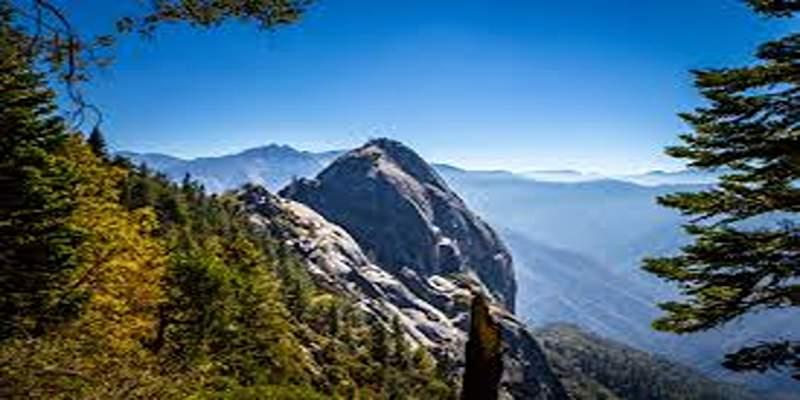
Sequoia National Park is one of California’s most iconic outdoor destinations, offering travelers a chance to walk among some of the tallest trees on Earth. Located in the southern Sierra Nevada, this protected landscape is characterized by dramatic mountain terrain, peaceful meadows, and towering sequoias.
First-time visitors are often amazed by the scale of the forest and the diversity of terrain packed within just a few hours of driving. This guide breaks down what to expect, what to bring, and how to plan your first trip to Sequoia National Park with confidence.
When to Visit Sequoia National Park?
The park is open year-round, but the experience changes drastically with the seasons. Summer brings open access to most areas, clear skies, and comfortable hiking weather. Spring and early fall offer cooler temperatures and fewer visitors, along with flowing creeks and fresh greenery. Winter creates a completely different scene, where snowfall blankets the higher elevations, and certain trails may be closed due to icy conditions.
Those visiting during summer and fall should plan for warm daytime temperatures but cooler evenings, especially above 6,000 feet. In contrast, winter visitors should bring snow-ready footwear and layered clothing, as road closures and snow-covered trails are common in higher regions.
Entrance and Getting Around
The two main entrances to Sequoia National Park are the Ash Mountain Entrance, located near Three Rivers, and the Big Stump Entrance, near Kings Canyon National Park. Many visitors begin their trip at the Ash Mountain side, which leads to the heart of the Giant Forest.
Driving is the primary means of navigating the park, with most major areas connected by the Generals Highway. Although distances between landmarks may appear short, winding mountain roads often extend travel time. Parking can fill up quickly in peak months, especially at popular trailheads, so arriving early helps avoid congestion.
During summer, free shuttles operate in key areas, helping reduce traffic while providing easy access to major viewpoints and trailheads.
Top Sights and Areas for First-Time Visitors
Giant Forest
The Giant Forest is the most visited region in the park and home to the largest trees by volume in the world. Well-maintained trails wind through the grove, allowing easy access to the towering giants. The General Sherman Tree, the largest known living single-stem tree on Earth, stands here. A short walk from the parking lot leads to this immense tree, and the surrounding area includes several short loops perfect for first-timers.
Moro Rock
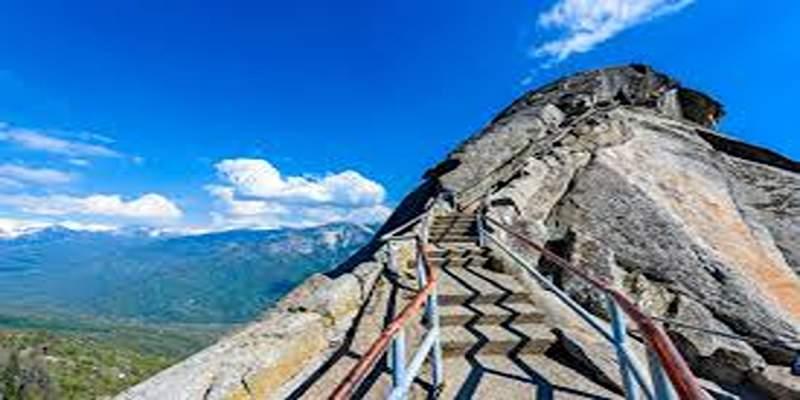
This granite dome provides sweeping views of the Great Western Divide and the forest below. The path to the top is a short, steep climb via a stairway carved into the rock. Though narrow in some sections, the views from the summit make it a worthwhile stop for anyone comfortable with moderate elevation gain.
Crescent Meadow
A peaceful open meadow framed by sequoias, Crescent Meadow is often described as one of the park’s hidden gems. A flat trail encircles the area, offering an easy route ideal for a mid-morning or late-afternoon walk. Visitors frequently spot deer, marmots, and wildflowers, depending on the season.
Tunnel Log
A popular photo stop, Tunnel Log is a fallen sequoia with a carved-out tunnel large enough to drive through. While driving under the log is optional, it's worth seeing for its size alone and the serene forest setting that surrounds it.
Lodgepole Visitor Area
It is a great starting point for first-timers. The visitor center offers trail maps, weather updates, and rangers to help with planning. Nearby, the Tokopah Falls Trail offers a moderate walk that concludes at a stunning cascade, framed by granite walls and a pine forest.
Hiking Trails for Beginners and Intermediates
Sequoia National Park offers trails suitable for all experience levels, allowing first-time visitors to enjoy a variety of routes without venturing far off the beaten path.
- Big Trees Trail: A flat, paved loop that circles a small meadow and provides up-close views of sequoias. Educational signs along the route offer insight into the ecosystem.
- Crescent Meadow Loop: A relaxing trail under the forest canopy, ideal for spotting small animals and enjoying shaded surroundings.
- Tokopah Falls Trail: A 1.7-mile (one-way) moderate route that follows the Marble Fork of the Kaweah River and ends at a stunning waterfall. Rocky in parts, but accessible with proper shoes.
Those interested in longer walks can try the trail to Heather Lake or Pear Lake, which provide alpine scenery and less-crowded paths beyond the main roads.
What to Pack for Your First Visit?
Comfort and safety are key to enjoying Sequoia’s diverse terrain. Footwear with grip is essential for uneven trails, while layers help adjust to elevation-related temperature shifts. Sunscreen and water are necessary even for short hikes, and lightweight snacks are ideal for trailside breaks.
Bug spray is useful in warmer months, especially in meadow areas. A reusable water bottle and trail map are also recommended, as mobile signal can be inconsistent in remote sections of the park.
In colder months, bring snow-appropriate boots, gloves, and gear designed for icy or slushy trails. Some areas may require tire chains for driving, depending on weather conditions.
Nearby Accommodations and Campgrounds
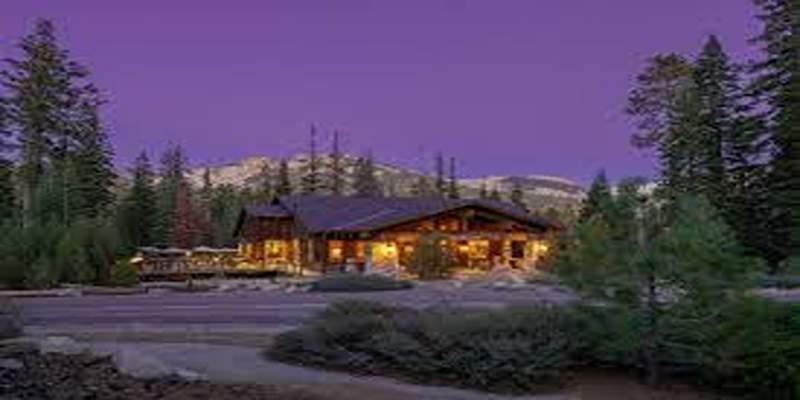
Lodging options in and around the park include rustic lodges, cozy cabins, and campgrounds. Lodgepole and Wuksachi Lodges are popular for those wanting to stay within the park, offering proximity to key trails and comfortable amenities.
Campgrounds such as Lodgepole and Dorst Creek are ideal for travelers who bring their gear. Advanced reservations are strongly recommended, especially in summer months. Outside the park, the town of Three Rivers provides hotels, markets, and entry to the Ash Mountain entrance.
Conclusion
A first visit to Sequoia National Park introduces travelers to towering trees, alpine vistas, and forest trails that stay with them long after the trip ends. Whether exploring the Giant Forest, walking past meadows, or climbing granite stairs to a mountain view, the park delivers a calm and memorable experience. With the right gear, a flexible plan, and time to explore at your own pace, Sequoia becomes more than a destination—it becomes a connection to nature that grows with every step beneath the trees.